In “How to plant a garlic clove”
Can I peel the cloves first?
Leave the protective papery covering in place when separating healthy cloves.
512 useful answers · Page 21 of 22
Start seeds, grow in containers, and learn what your garden needs.
Search this topicIn “How to plant a garlic clove”
Leave the protective papery covering in place when separating healthy cloves.
In “How to plant a garlic clove”
Yes, with adequate depth, drainage and spacing. Use container mix and local advice for protecting roots during winter.
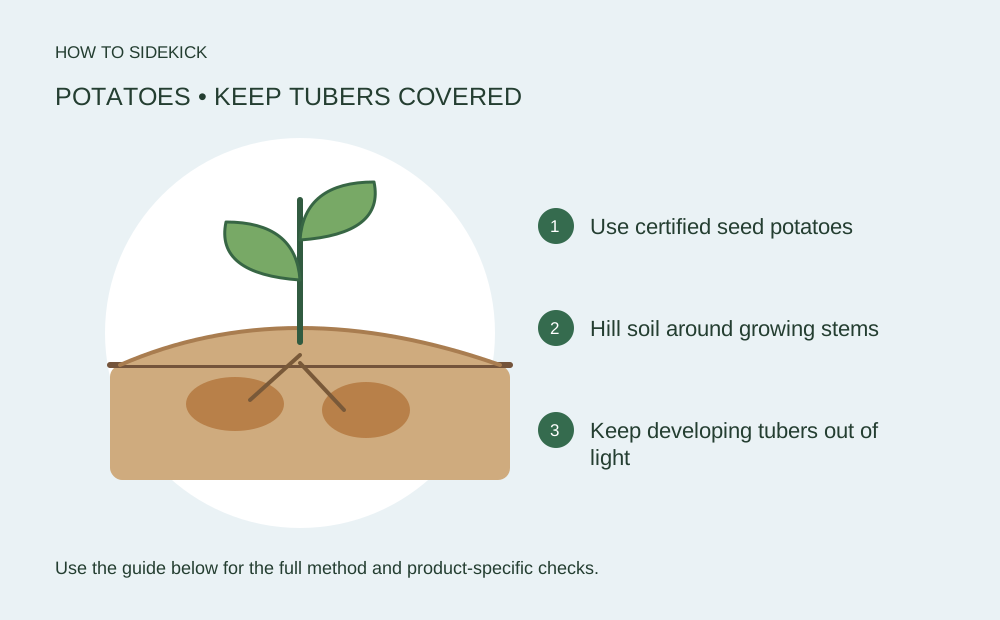
Use disease-free seed potatoes, not random grocery tubers. Plant pieces with healthy eyes in sunny, well-drained soil, then hill soil around growing stems so developing potatoes stay covered.
In “How to plant potatoes from seed potatoes”
It may grow, but certified planting stock reduces disease and dormancy-treatment uncertainty.
In “How to plant potatoes from seed potatoes”
Light exposure causes greening and may accompany increased harmful compounds. Do not use green or bitter potatoes as food.
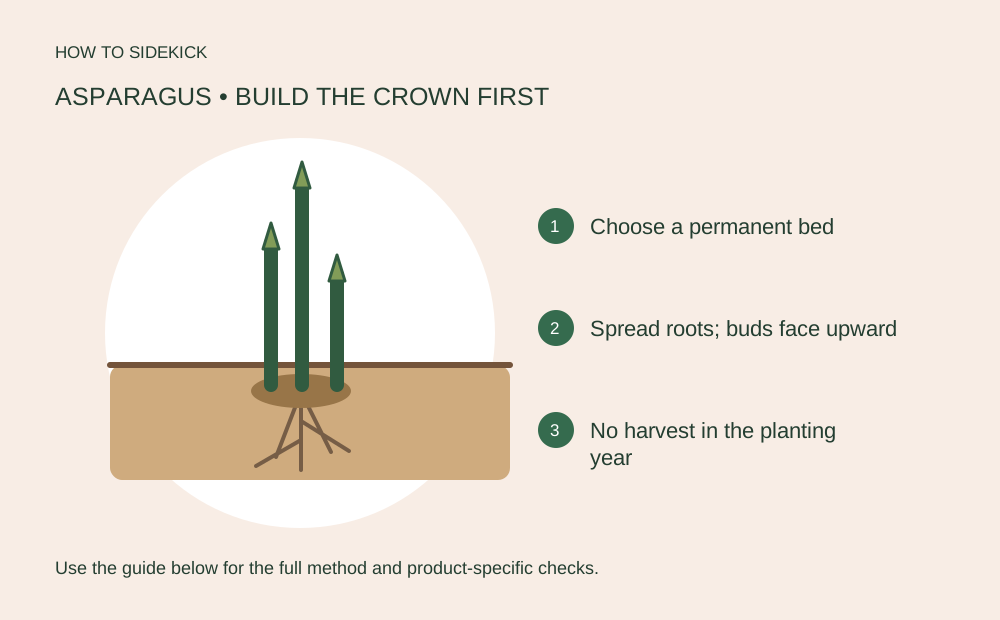
Plant healthy crowns in a sunny, well-drained permanent bed. Keep weeds down, water during establishment and let ferns build the root system. Do not harvest the planting-year spears.
In “How to grow asparagus from crowns”
Yes, but seedlings generally need an extra establishment year compared with crowns.
In “How to grow asparagus from crowns”
No. Healthy green ferns support the crown. Follow regional guidance for removing old foliage later in the season.
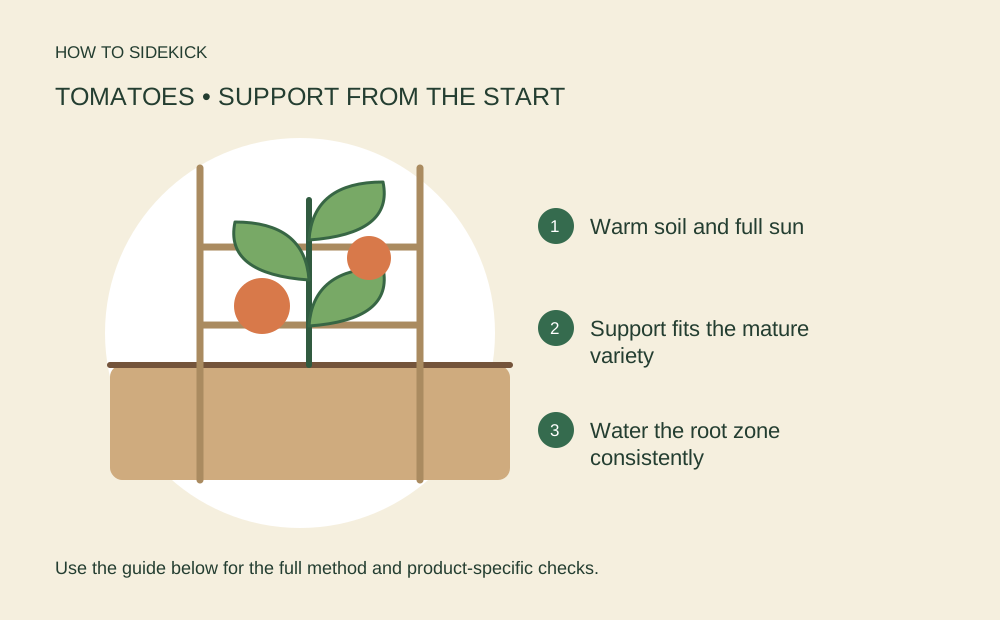
Plant a healthy transplant in warm soil after frost danger has passed, with plenty of sun and support sized for the variety. Water the root zone consistently and use pruning only where it suits the growth habit.
In “How to grow tomatoes from transplants”
No. Selective pruning can suit supported indeterminate plants, but determinate plants usually need little. See the separate pruning guide before removing suckers.
In “How to grow tomatoes from transplants”
Check the mature variety’s container requirements. A large draining pot and appropriate support are more useful than a tiny pot that dries out rapidly.
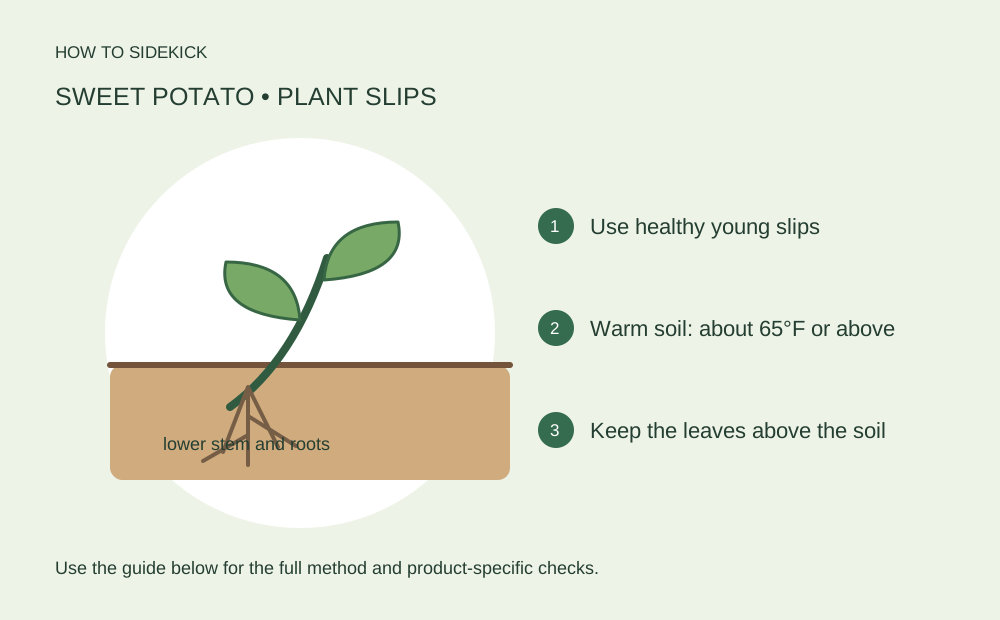
Use slips, the young shoots grown for planting, rather than treating a sweet potato like a seed potato. Plant after frost danger when the soil is at least about 65°F, in sun and loose, well-drained soil.
In “How to plant sweet potato plants and slips”
For a predictable crop, plant healthy slips intended for your region. Whole-root sprouting is a different propagation stage.
In “How to plant sweet potato plants and slips”
No. They belong to different plant families and have different planting material and temperature requirements.
Give strawberries sun and drainage, spreading roots below the soil while keeping the crown at the surface. Use the plant’s type—June-bearing or day-neutral—to decide how to handle first-season flowers and runners.
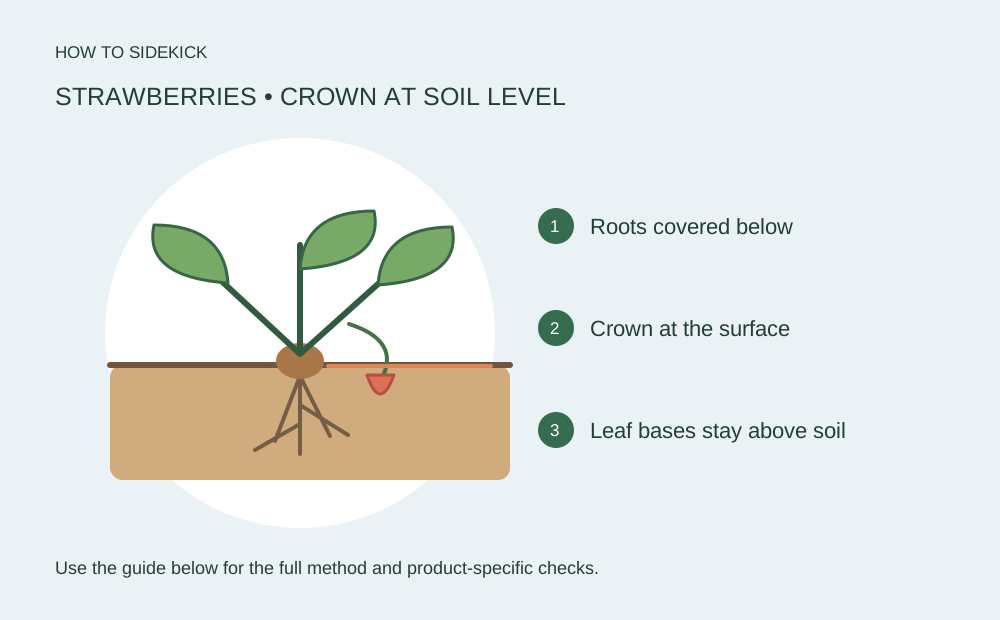
In “How to grow strawberries without burying the crown”
It can direct energy into establishment. The duration depends on the strawberry type; do not apply a whole-season rule to every plant.
In “How to grow strawberries without burying the crown”
Yes. Use sun, drainage and sufficient root room, then plan for more frequent moisture checks and climate-appropriate winter protection.
Cut below a healthy node, submerge the node while keeping leaves above water, and place the jar in bright indirect light. Refresh the water and pot the cutting when several roots have developed.
In “How to propagate pothos in water and move it to a pot”
A leaf with its stalk but no stem node is not a reliable way to produce a new pothos vine.
In “How to propagate pothos in water and move it to a pot”
Long-term water culture needs a suitable nutrient and maintenance plan. This guide uses water only for rooting before potting.
Cut a healthy leaf into sections, keep track of the original bottom end and insert that end into a well-aerated rooting medium. Keep warm in indirect light and avoid saturated soil while roots and shoots form.
In “How to propagate a snake plant from leaf sections”
This method is slow. Firm sections can remain unchanged above the soil while roots develop.
In “How to propagate a snake plant from leaf sections”
It is not essential to try this method. If using one, follow the label rather than coating every surface heavily.
Take a healthy stem cutting with a node and leaf, place the node in water while keeping the leaf above it, and provide bright indirect light. Pot after several roots develop and support the stem as it establishes.
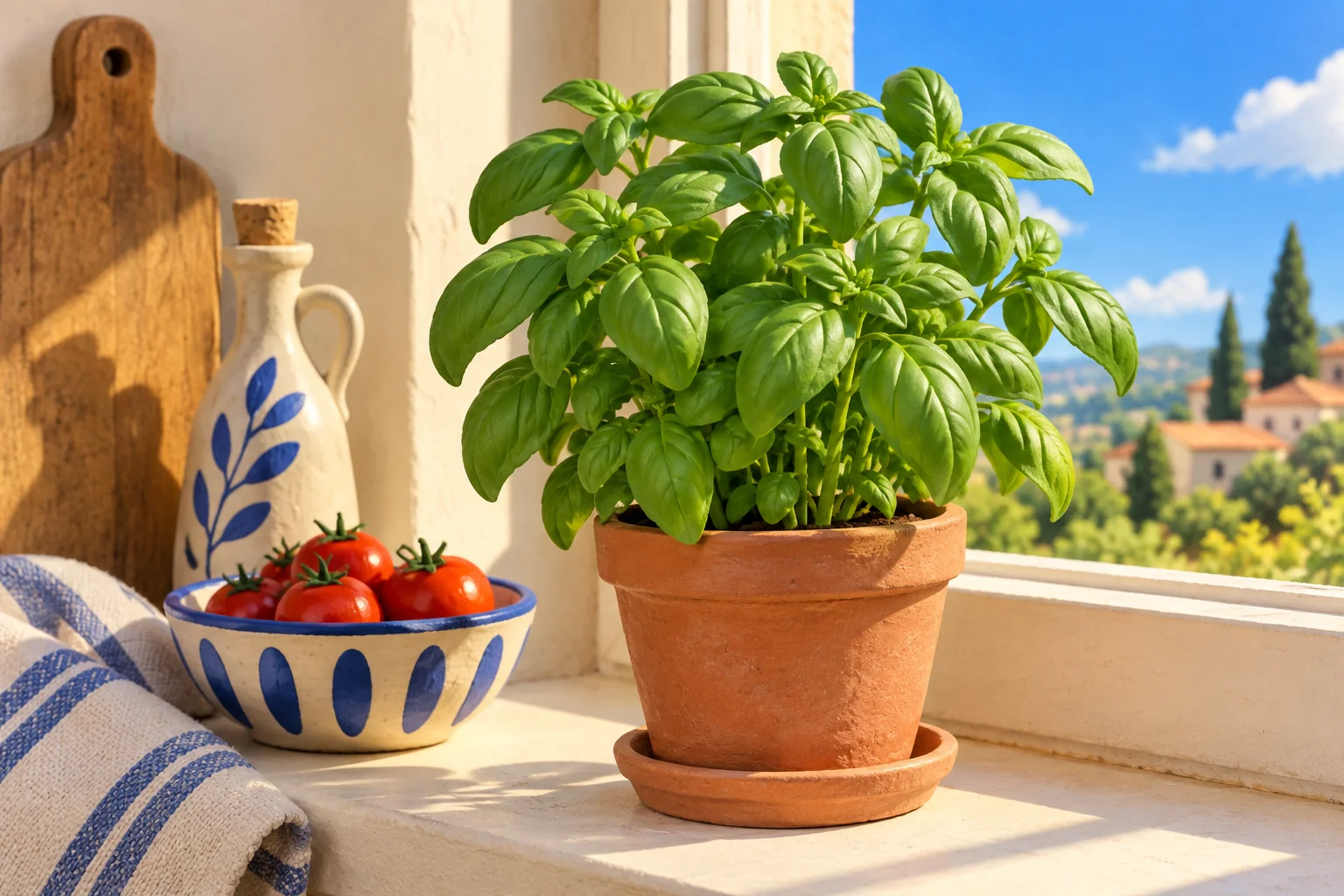 How to grow basil in a pot20 minutes to set up
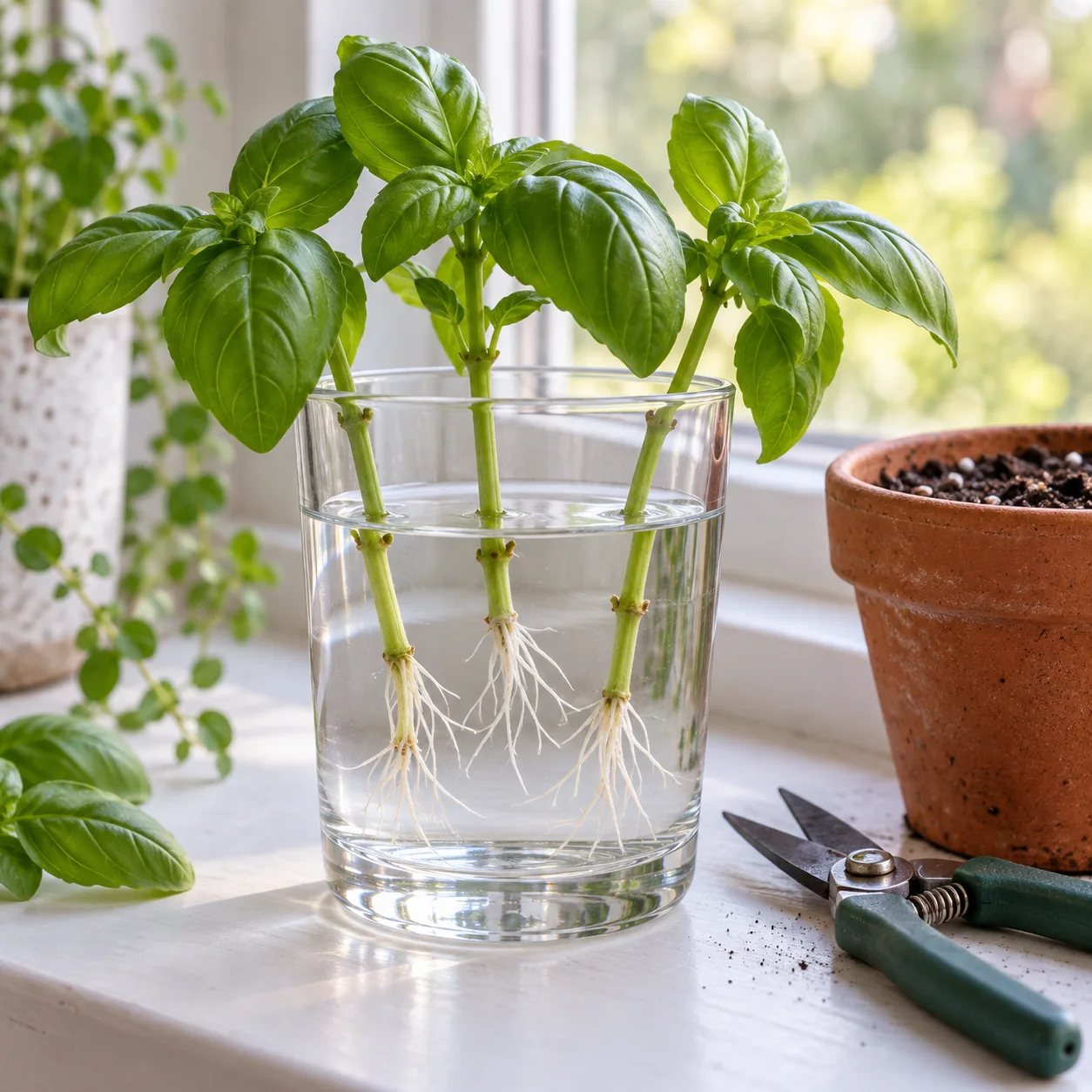 How to propagate basil cuttings in water15 minutes + rooting time
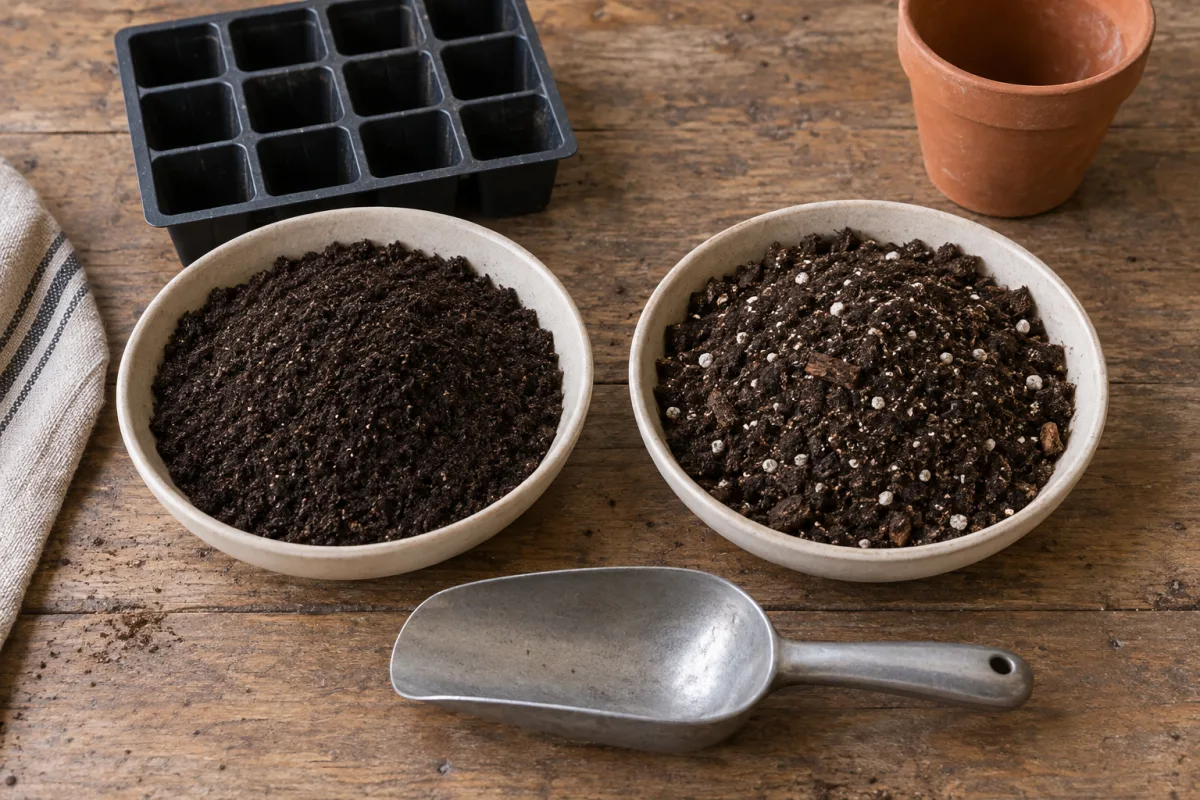 Seed-starting mix vs potting mix: what should you buy?10 minutes to compare
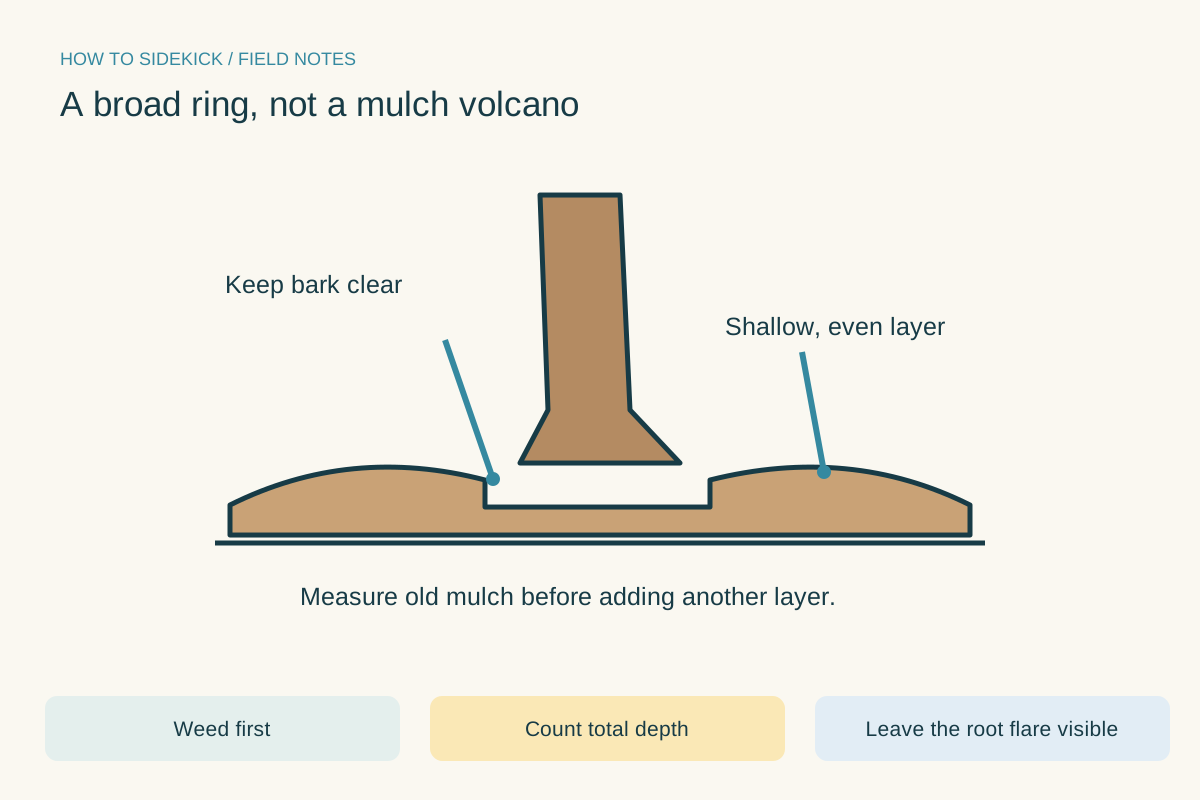 How to mulch garden beds and trees without burying the plants1–3 hours for a small bed
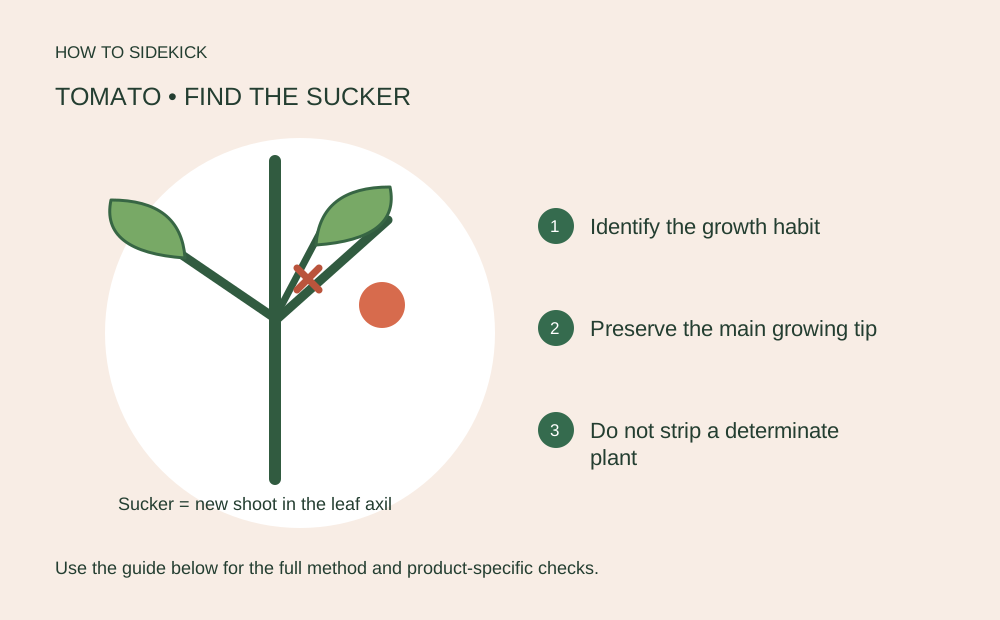 How to prune tomato plants without losing the crop10–20 minutes per plant
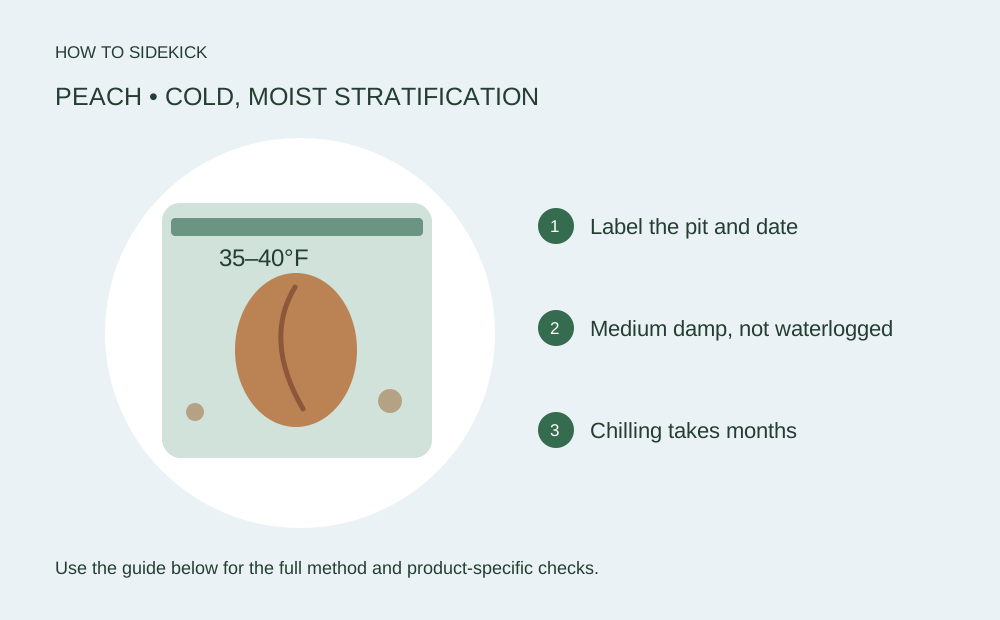 How to grow a peach tree from seed20 minutes; chilling takes months
Source checks for these answers: September 24, 2026. Product instructions and local requirements can vary.