Let the slab finish setting before cutting; freshly whipped marshmallow is too soft for clean shapes. Use a greased knife or suitable cutter, and follow the recipe's dusting instructions. Dipping the blade in cold water can reduce sticking between cuts. Separate the pieces with parchment or waxed paper when arranging them so their soft sides do not immediately join together again.
Optional supplies on Amazon
Affiliate disclosure: As an Amazon Associate I earn from qualifying purchases. How our links work.
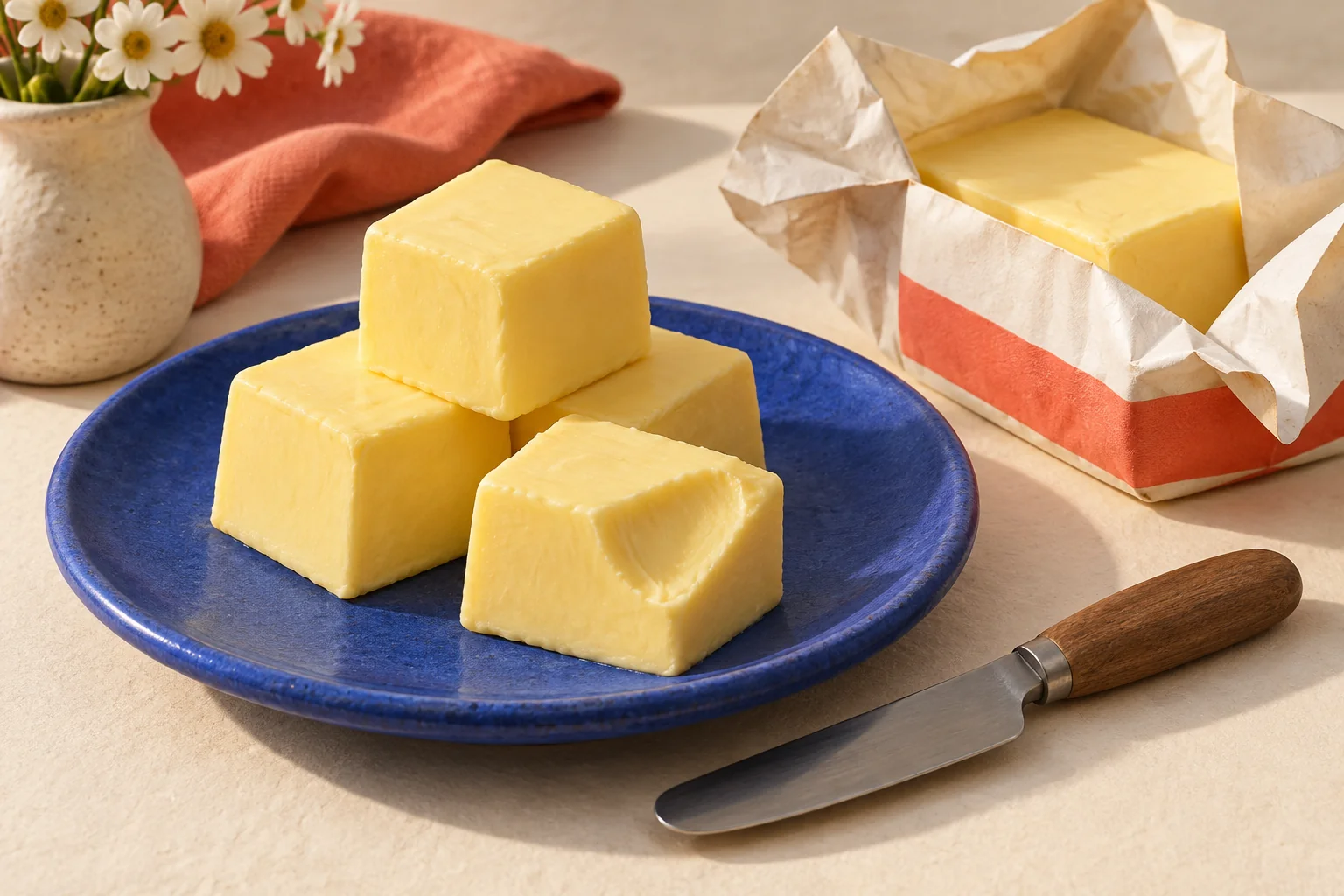
The recipe prepares the entire inner surface, then adds a coating of finely grated Parmesan before the batter enters. Brush softened butter across the bottom and up the sides, rotate the dish to distribute the cheese, and tip away loose excess. Use the specified straight-sided dish size. Wipe the exposed rim clean after filling so stray batter and cheese do not burn.
Plan to serve it as soon as it leaves the oven. The inflated structure begins settling quickly as it cools; King Arthur notes that its cheese soufflé starts sinking after about two minutes. Have plates and accompanying food ready before the final bake finishes. A sinking soufflé has not necessarily failed, but holding it sacrifices the tall presentation you worked to create.
A measured addition to the hot syrup creates fine bubbles that make the cooled candy lighter and easier to bite. Stir it in at the recipe's specified stage after removing the pan from the heat. The mixture foams, so use a sufficiently deep saucepan and keep hands clear. Do not keep adding soda to chase more bubbles; that changes the formula.
In the cited method, the hot candy supplies the heat. Scatter the measured chocolate over the freshly poured syrup, wait briefly for it to soften, then spread it with an offset spatula. Add chopped nuts while the surface is still soft so they adhere. Have those ingredients ready before cooking the syrup because the useful spreading window arrives quickly.
Do not expose wax paper directly to oven heat as you would parchment on a cookie sheet. Reynolds permits its wax paper only in certain baking uses where batter or dough completely covers the liner, such as a fitted cake-pan base. For separated cookies, choose parchment rated for your baking temperature. Similar appearance does not mean the two papers have identical heat performance.
Optional supplies on Amazon
Affiliate disclosure: As an Amazon Associate I earn from qualifying purchases. How our links work.
Reynolds identifies its wax paper as suitable for a microwave spatter cover. Place it over the food in the manner allowed by the microwave and paper instructions. That permission applies to microwave use, not an oven's broiler or a combination appliance's grill setting. Check which heating mode is active rather than assuming every setting in a microwave-shaped appliance works alike.
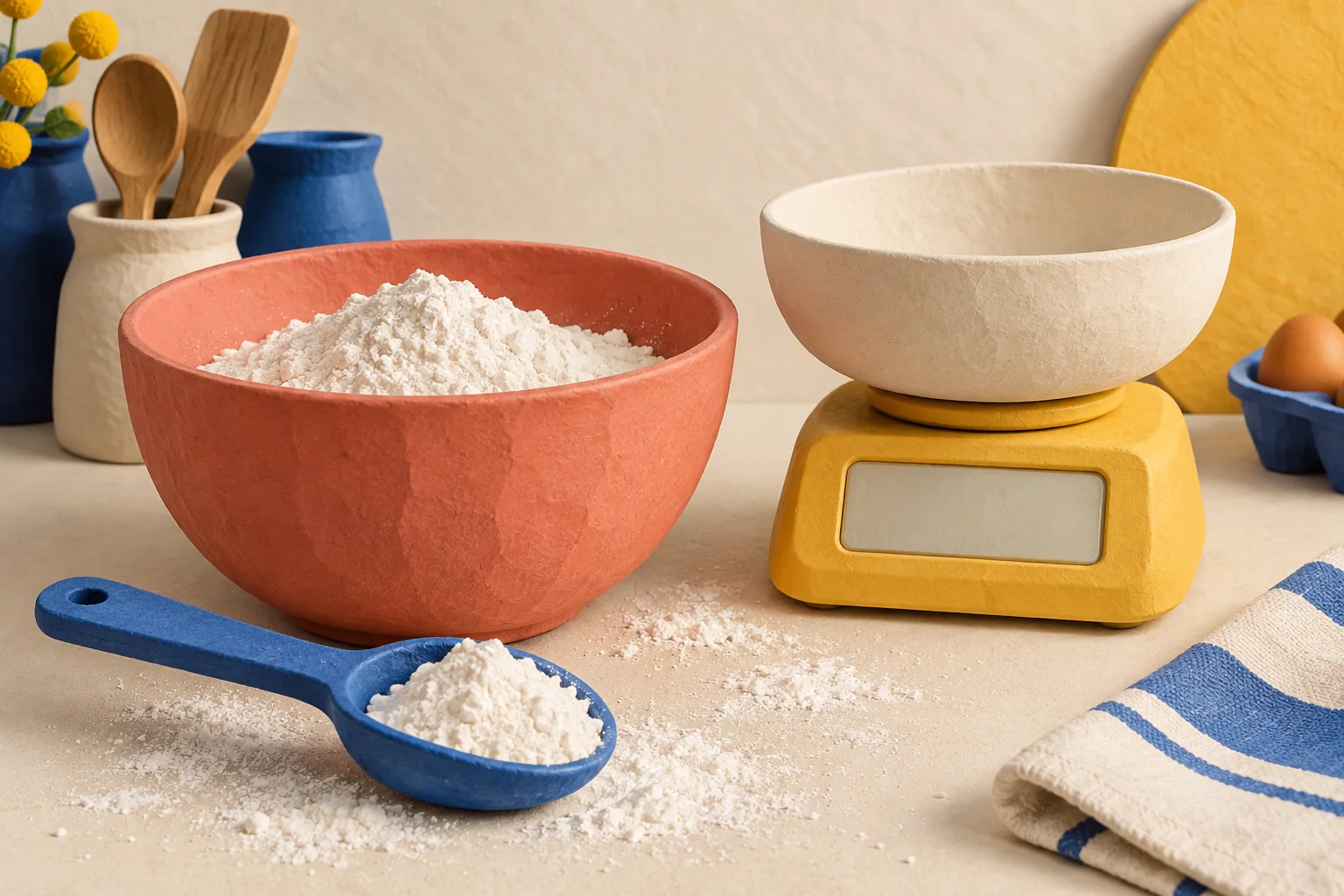
No. Modern finely milled flour does not automatically need sifting, but the step can matter for delicate batters and ingredients with lumps. Follow a recipe that specifically calls for it, particularly when flour must fold into whipped eggs without much mixing. Sifting breaks up clumps and introduces air; it is not a substitute for measuring the flour accurately.
Pass it through a fine-mesh sieve over a bowl, tapping gently and working in manageable portions. That performs the same basic job without a dedicated sifter. If neither tool is available, a balloon whisk can loosen and aerate flour, though it will not remove lumps as finely. Choose the method suited to the recipe rather than beating a delicate batter later to remove clumps.
Optional supplies on Amazon
Affiliate disclosure: As an Amazon Associate I earn from qualifying purchases. How our links work.
Check the oven's instructions and whether it already converts the temperature automatically. King Arthur's baker uses about a 25°F reduction as a starting point because circulating air can make food bake faster. Begin checking earlier and record the result for that oven and recipe. A fan setting changes heat transfer; blindly using the original temperature and time can overbake a familiar recipe.
The middle zone usually gives cakes room for heat to circulate without placing the pan too close to either main heating element. Follow the recipe and your oven manual if they specify a different position. Arrange the rack before heating, allowing space above the pan for the cake to rise. Rack location is part of the method, not merely a storage preference.
Stagger them where the oven's instructions allow so one pan does not completely shield the other. Leave room for circulating hot air and choose rack positions intended for cooking multiple dishes. Whirlpool recommends this arrangement for more consistent exposure to heat. Check each dish individually; two shelves of food can still finish at different times despite entering the oven together.
Use different liquids for the two tests. Clabber Girl suggests stirring a teaspoon of baking powder into a third of a cup of warm water and looking for immediate bubbling. Baking soda needs an acid, so test a small amount with vinegar or lemon juice. Use fresh product if the reaction is weak, and keep the tested mixture out of your recipe.
Set it on a compatible baking tray before filling its cavities. The tray keeps the flexible mold supported during the trip to the oven and helps you handle it steadily. Silpat specifically directs this for its molds. Fill on a stable counter, use the intended cavity portions, and carry the tray rather than trying to lift a heavy filled mold by its soft edges.
Optional supplies on Amazon
Affiliate disclosure: As an Amazon Associate I earn from qualifying purchases. How our links work.
Avoid sharp objects against the mold; they can damage the flexible surface. Follow its release instructions and use gentle flexing or approved nonsharp tools instead. Silpat's care guidance specifically excludes sharp implements. Let the cakes reach the recipe's release stage before handling, because forcing very soft cakes out can tear them even when the mold itself is nonstick.
The hot baking surface helps the rolled dough puff promptly rather than slowly drying into a flat round. Follow the recipe's full oven and surface preheat, and roll consistent rounds while keeping waiting dough covered. Transfer only as many as fit comfortably. King Arthur recommends a stone or steel for its sourdough pita when a well-formed pocket is the priority.
Use a tested alternative rather than replacing solid fat with an arbitrary amount of liquid oil. King Arthur's flour-tortilla recipe permits solid refined coconut oil in the same measured amount as its lard. Work the fat into the flour until visible pieces disappear before adding water. The dough still needs its prescribed kneading and covered rest to roll into usable rounds.
Remove the excess dusting flour after rolling so it does not sit between the dough and hot pan. Use a light pastry-brush pass instead of scraping or stretching the round. Dust the work surface only enough to prevent sticking in the first place. Then cook in the prepared skillet and watch for bubbles and browned spots rather than coating the tortilla with more flour.
Yes. A home recipe can use a preheated cast-iron pan or electric griddle. Roll or stretch the risen portions to the stated thickness, cook until bubbles appear and the underside browns, then flip to finish. Brush with melted ghee or butter after cooking when the recipe directs. Keep the pan heat controlled; a tandoor's intense heat is not a stovetop temperature setting.
Start with a smaller round, place the measured filling in its center, and pull opposing dough edges together to seal it. Gently roll or stretch the enclosed portion into the final round without forcing the filling through. King Arthur suggests cooked spiced potato, grated cheese, or paneer. Avoid overfilling; you need enough surrounding dough to form an intact envelope before cooking.
The masa may need more water. Press a small test portion between your fingers: cracked edges suggest dryness, while dough that sticks heavily suggests too much water. Adjust gradually until it feels pliable, then give it the maker's brief rest before pressing. Test one tortilla again before shaping the whole batch so you do not repeat the same hydration problem throughout.
Press the masa between two suitable plastic liners. Peel away the top sheet, support the tortilla on your palm, then remove the second liner before laying the dough onto the hot comal. Do not cook the plastic. Work gently and check the masa's hydration if it repeatedly sticks or tears; forceful pulling will distort a thin round that is already fragile.
No. Follow the formula's specific rolling sequence. King Arthur's almond roll is too fragile for the usual warm towel roll, so it cools completely in its pan before being turned out, filled, and rolled. A technique that helps one sponge can damage another. Read the assembly directions before baking so you have the right surface and enough cooling time ready.
Let the baked cake cool as directed, prick it across the surface with a fork, and pour the combined milk mixture slowly. Pause to let each addition enter the sponge rather than dumping everything onto one spot. Use the cake and soak quantities from the same tested recipe. Give the soaked cake its prescribed refrigerated rest before adding the final whipped topping.