Each egg temporarily makes the paste look loose or slippery before mixing brings it together again. Beat until incorporated before adding the next portion. Follow the recipe’s consistency check: finished paste should pipe and hold its shape, rather than run freely off the utensil.
Piercing allows trapped steam to escape so it does not soften the hollow pastry from within. Follow the recipe’s timing for opening and drying the baked shells. This drying stage matters even when the outside looks browned; a damp interior can leave the pastry soft.
Yes. Excessive beating can incorporate air that expands during baking and then collapses as the cake cools. Start with ingredients at the recipe’s specified temperature and mix gently until combined. Chasing a very fluffy batter is inappropriate for a cheesecake intended to be dense and smooth.
Do not use a rigid center as the universal endpoint. Many baked cheesecakes should retain a slight central wobble at the recipe’s specified doneness; baking until entirely firm can overcook them and cause cracking. Follow a tested recipe’s temperature, timing, and cooling instructions for that particular cheesecake.
Once the cheesecake has cooled and chilled as directed, cover the surface with a suitable fruit topping, whipped cream, or the recipe’s sour-cream topping. A crack is often a cosmetic problem caused by baking or cooling. Decorating it improves appearance but does not correct an undercooked cake.
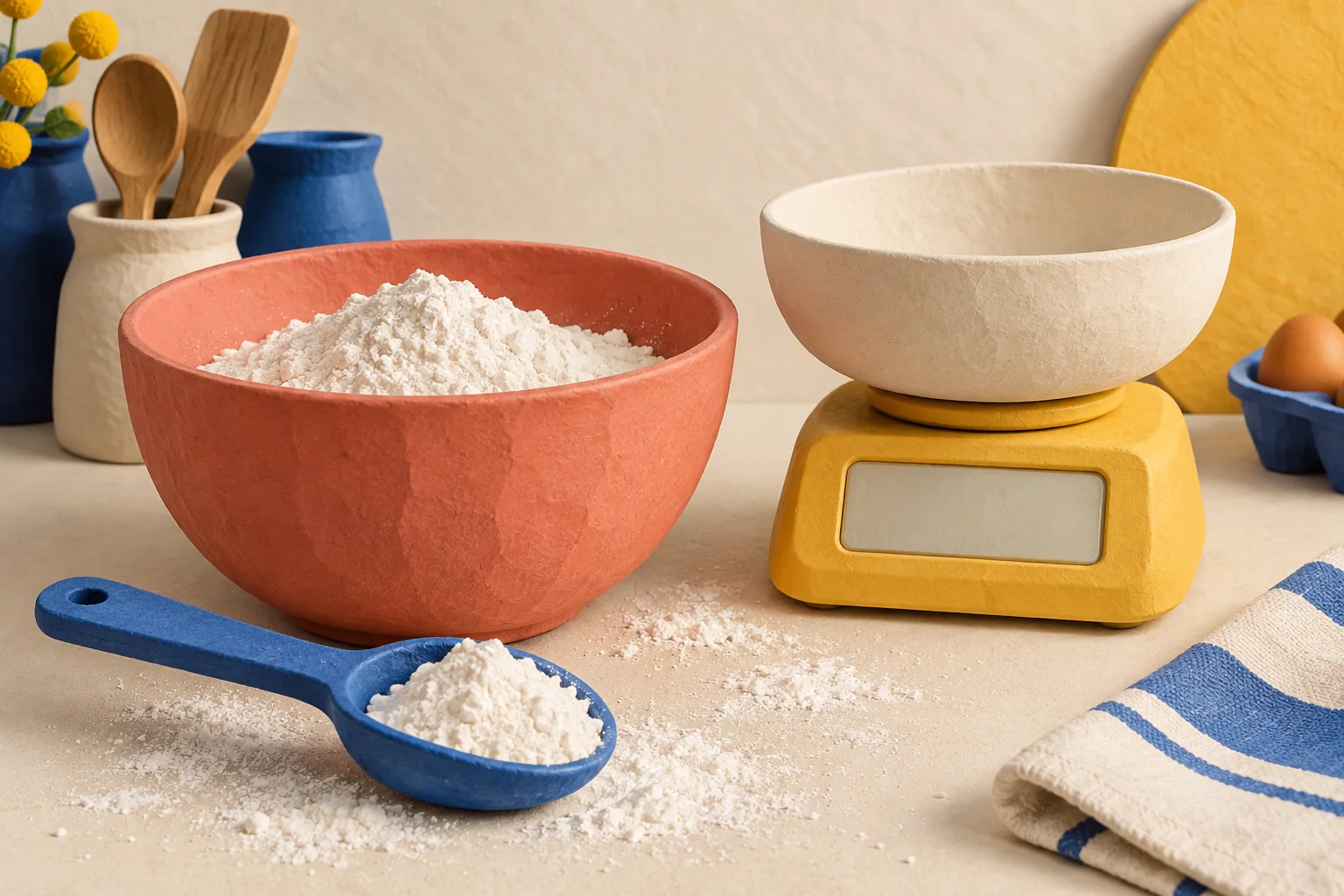
Check the recipe, but common chocolate-to-cream ratios are by weight. A cup of chopped chocolate does not weigh the same as a cup of cream. Use a scale and keep the ratio’s order clear; reversing cream and chocolate can produce a very different consistency.
Optional supplies on Amazon
Affiliate disclosure: As an Amazon Associate I earn from qualifying purchases. How our links work.
Warm ganache is thinner than cooled ganache. Let it reach the temperature intended for glazing, spreading, or filling before deciding the ratio is wrong. The chocolate type also affects firmness. A mixture designed to pour over a cake should not be judged against a chilled truffle filling.
Not reliably. Different chocolate formulations produce different firmness, and milk chocolate commonly needs less cream than dark chocolate for a comparable result. Choose a tested ratio for the actual chocolate and intended use. Replacing only the chocolate while keeping every other quantity can leave the ganache unexpectedly soft.
Stir gently while the sugar dissolves, then stop once the mixture boils. Agitation at that stage can encourage crystals and graininess. A gentle swirl can distribute heat without vigorous stirring. Keep watching the color, because the change from caramelized to burnt can happen quickly.
During cooking, use the recipe’s method to dissolve crystals on the sides, such as a pastry brush moistened with water. Avoid scraping dry crystals into the syrup, where they can seed more crystallization. Briefly covering the pot can also let condensed steam wash the sides.
Cream can make very hot sugar bubble up vigorously. Use a saucepan with generous headroom, warm the liquid as directed, and add it slowly while protecting your hands from splashes. Never lean over the pot or taste the caramel while hot; its appearance does not indicate a safe temperature.
The batter must incorporate their water into a fat-containing mixture. Adding eggs too quickly can overwhelm that emulsion and make it look curdled. Use the recipe’s ingredient temperatures and mix each addition in before continuing, rather than pouring all the eggs into the bowl at once.
Some butter-cake methods use a small amount of the recipe’s measured flour when the emulsion starts splitting during egg addition. It helps absorb liquid and stabilize the mixture. Take it from the flour already allocated to the recipe instead of adding an unmeasured extra quantity.
Once the flour is mixed in, prolonged beating can develop gluten and make the cake tougher. Prevent splitting earlier by controlling ingredient temperature and egg addition. Do not treat a finished batter like a mixture of butter and eggs that still has its flour waiting to be added.
For King Arthur’s large batch, spread four pounds in a 9-by-13-inch glass or ceramic baking dish and bake at 325°F, stirring every 30 minutes until lightly golden, about one to four hours. Move sugar from the edges inward. Stop before it melts, and cool fully before storing.
No. Toasting adds browned flavor to ordinary granulated sugar while leaving it granular if done correctly. Brown sugar contains molasses and contributes different moisture and flavor. Toasted sugar is generally used in place of white sugar; it is not an automatic replacement for a recipe’s brown sugar.
Sprinkle it evenly over the recipe’s cold liquid instead of dumping it in one mound. Let it hydrate for the specified time, often five to ten minutes, before dissolving with heat as directed. Even contact with liquid helps prevent a wet exterior surrounding a dry center.
Do not assume all sheets and powders have identical setting strength. Sheet grades and product instructions vary. Use the recipe’s stated product or a conversion supplied for the exact gelatin you have, keeping the liquid quantity in mind. An unchecked substitution can make a dessert too firm or loose.
Gelatin comes from animal collagen, while agar is plant-derived. They do not behave identically in preparation or final texture. Choose a dessert recipe developed for agar rather than simply swapping equal spoonfuls into a gelatin recipe, and follow its heating and setting method carefully.
Gradual addition while whisking warms the egg mixture more evenly before it returns to the saucepan. Pouring in hot milk all at once can create cooked egg pieces. After tempering, follow the recipe’s stovetop cooking instructions; tempering alone does not finish cooking or thickening the custard.
After cooking, place the recipe’s recommended covering directly against the custard surface rather than leaving an air gap. Then refrigerate as directed. Contact coverage limits surface drying; a lid perched above the bowl does not provide the same protection against a leathery film forming on top.
Chilled pastry cream can become quite firm. For King Arthur’s starch-thickened recipe, briefly beat the fully chilled custard until smooth before using it as a filling. This loosens its texture without immediately adding more liquid, which could make the filling too soft to hold its shape.
Its structure comes from repeated rolling and folding that encloses thin butter layers between dough layers. Steam during baking separates these layers and creates lift. Smearing the butter into the dough loses that separation, so maintaining workable temperatures during lamination is central to the final flaky texture.
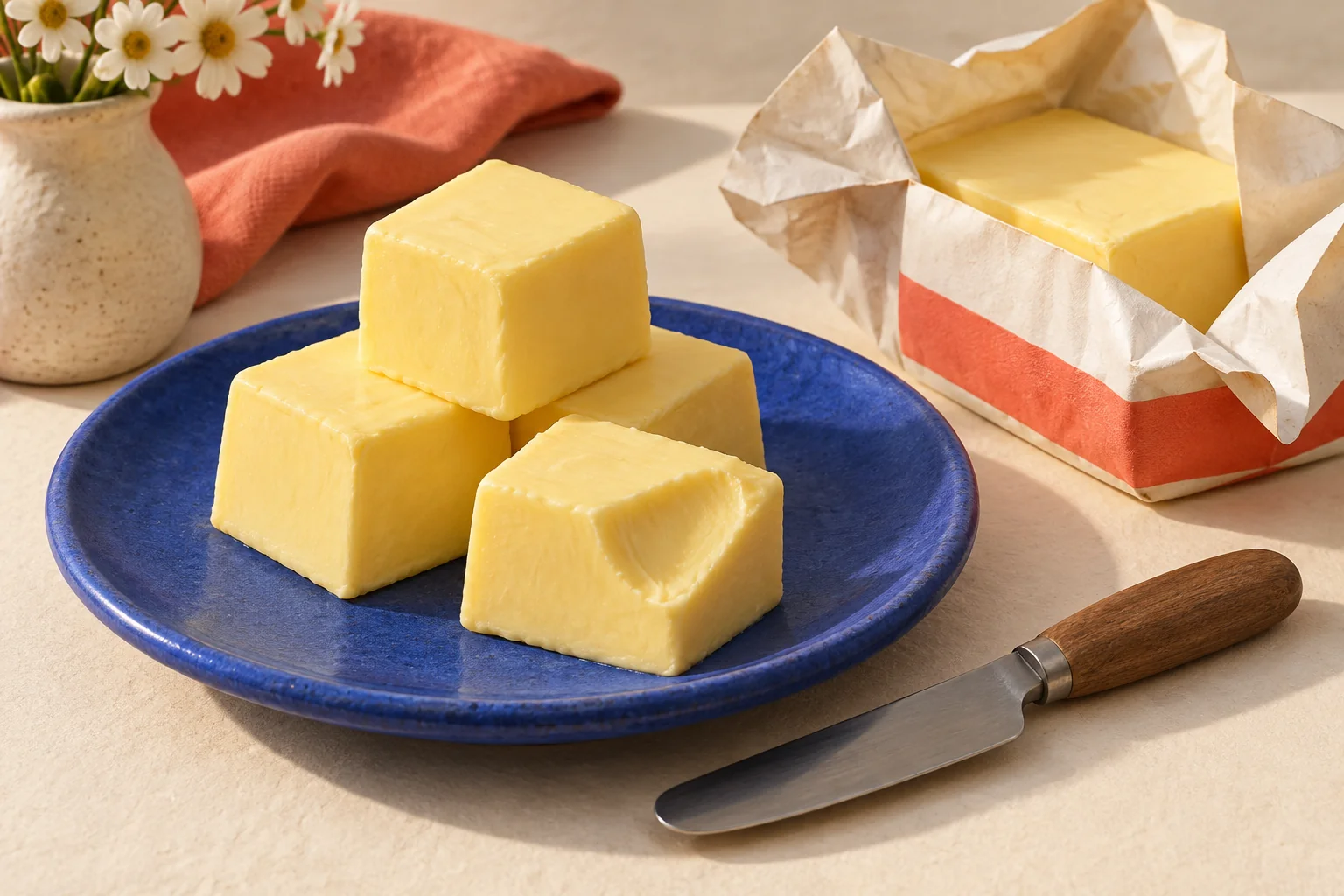
It should be cool but pliable enough to bend without snapping, following the recipe’s temperature guidance. A brittle block can break into pieces during rolling, while overly warm butter can smear. Adjust temperature before enclosing it rather than trying to force an unsuitable block through the dough.