No. Lovesac's general cover guidance calls for line drying and warns that a dryer can shrink the covers. Most washable fabrics use cold machine washing, but some fabrics require dry cleaning or spot cleaning, so identify yours first. Do not use heat to adjust the fit. If a cleaned cover seems wrong, confirm the cover size and fitting orientation before pulling hard enough to strain the seams or zipper.
Do not pull the snag, which can draw out more of the towel's structure. Brooklinen advises snipping long loose strands with scissors instead. Work with the towel laid flat, trim only the protruding strand, and avoid cutting into the surrounding fabric. Check for a zipper, rough basket edge or other source of snagging before washing again. A spreading hole or torn seam needs a repair rather than repeated trimming.
Check what touches them before washing. Brooklinen warns that products containing benzoyl peroxide can permanently discolor towels. Residue from a face product can therefore create pale patches that ordinary laundering cannot reverse. Read product labels and use a suitable separate towel for that routine. If the damage is color loss, adding stain remover or stronger detergent will not restore the original dye and may enlarge the affected area.
Slip gives different care instructions to these items despite the shared silk fabric. Its pillowcase can use a cool delicate machine cycle with a delicates bag, while its regular sleep mask is hand-wash only in cold water. Use the recommended gentle pH-neutral liquid detergent and air dry in shade. Check the exact mask version's label instead of assuming an accessory can follow the pillowcase's machine settings.
Some initial shedding can be normal. Parachute explains that its linen sheets can release lint from their manufacturing process, typically reducing after several washes. Follow the sheet label, clean the dryer lint screen each load, and observe whether shedding eases. Contact the maker if it stays heavy, the fabric thins or holes develop. Do not keep applying harsher washes just to force the lint to disappear sooner.
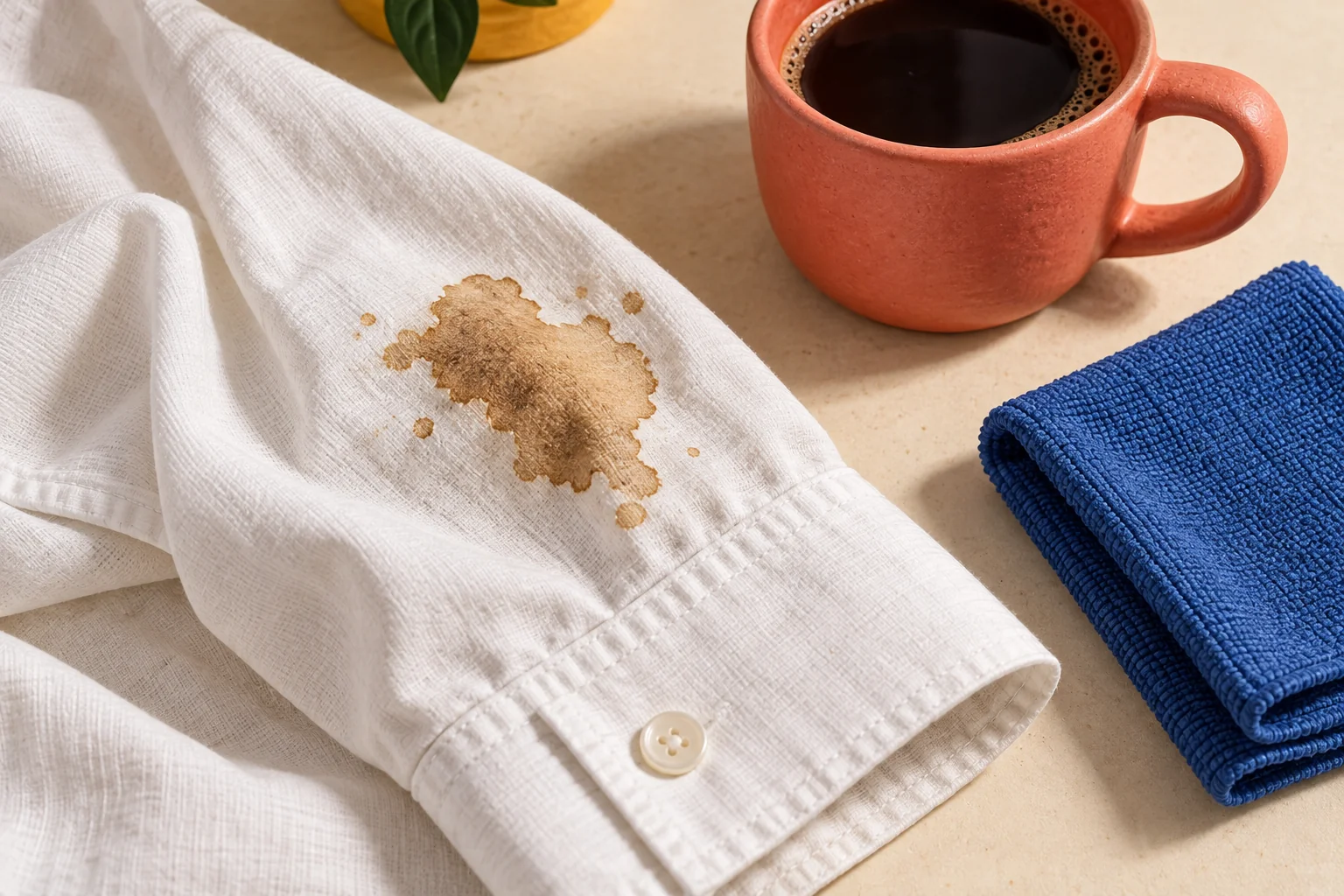
Follow the garment label, use a compatible detergent or stain treatment as directed, then inspect the stain after washing. Repeat treatment before machine drying if the mark remains.
No. Use the amount on the approved cleaner’s label and the specified cycle. If residue remains, check whether a rinse is recommended; repeatedly adding cleaner can leave more residue rather than solve the cause.
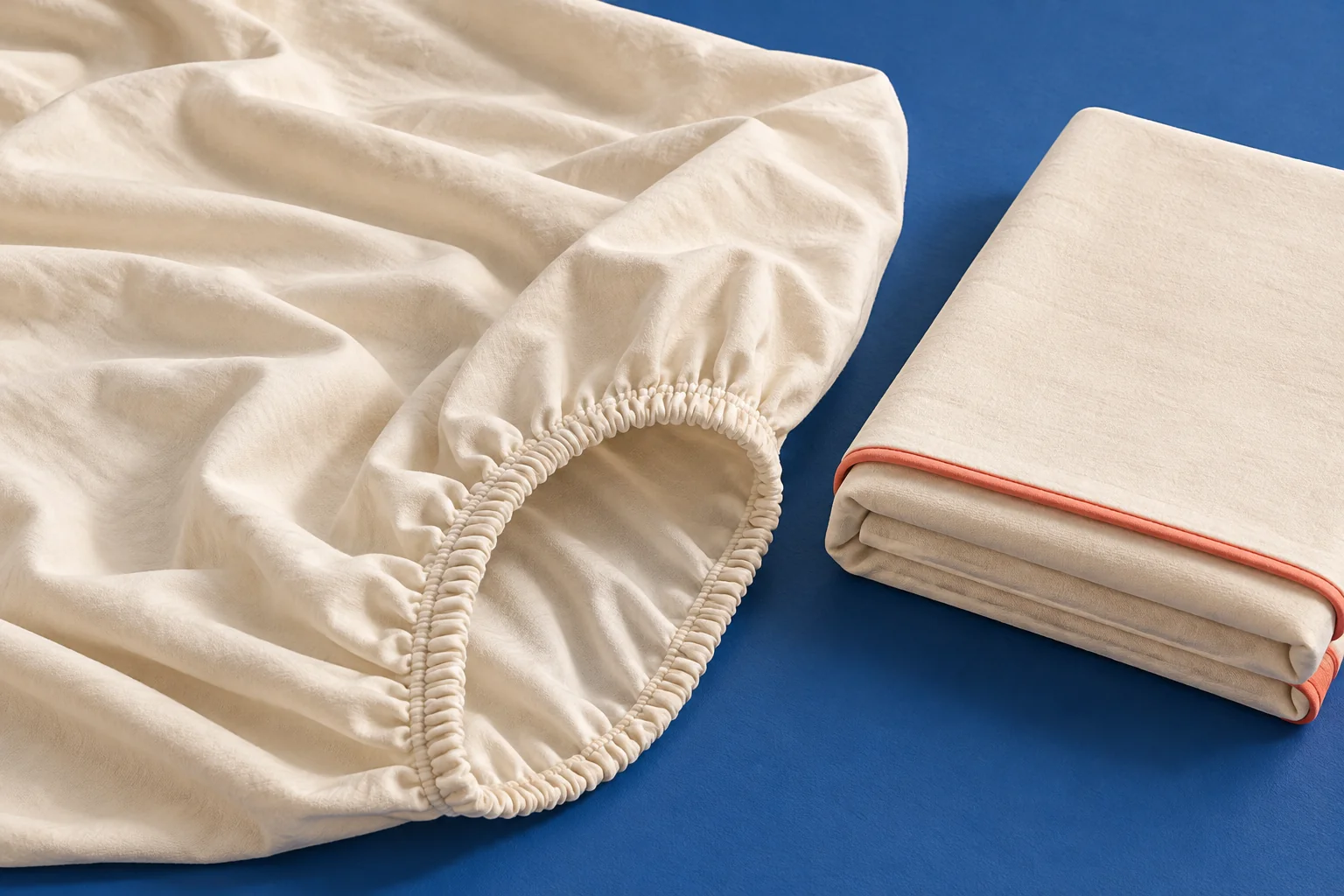
Some bulk is normal around the elastic. If the whole sheet spirals, check that you paired adjacent corners rather than opposite ones. If only the edge is lumpy, tuck it inside the rectangle and smooth the broad fabric before the final folds.