Cook the onions and tomatoes until thoroughly softened, then let the mixture cool before blending it with the recipe’s water. Blend until very smooth and pass it through a strainer into the pan. Swasthi recommends straining to remove remaining spice particles, tomato seeds, and ginger fibers. Return the smooth base to the heat for its next cooking stage. Adding cream alone will make a coarse sauce richer, but does not remove those particles.
Yes. Cut a crusty loaf into roughly one-inch cubes, lightly coat with olive oil, and toast at 350°F until the edges are crisp but the centers retain some softness. Love and Lemons allows about seven to ten minutes. Toss with the tomatoes, vegetables, herbs, and dressing specified by your salad recipe. The bread should absorb some tomato juice and dressing while keeping its shape; starting with soft sandwich-style bread gives a different texture.
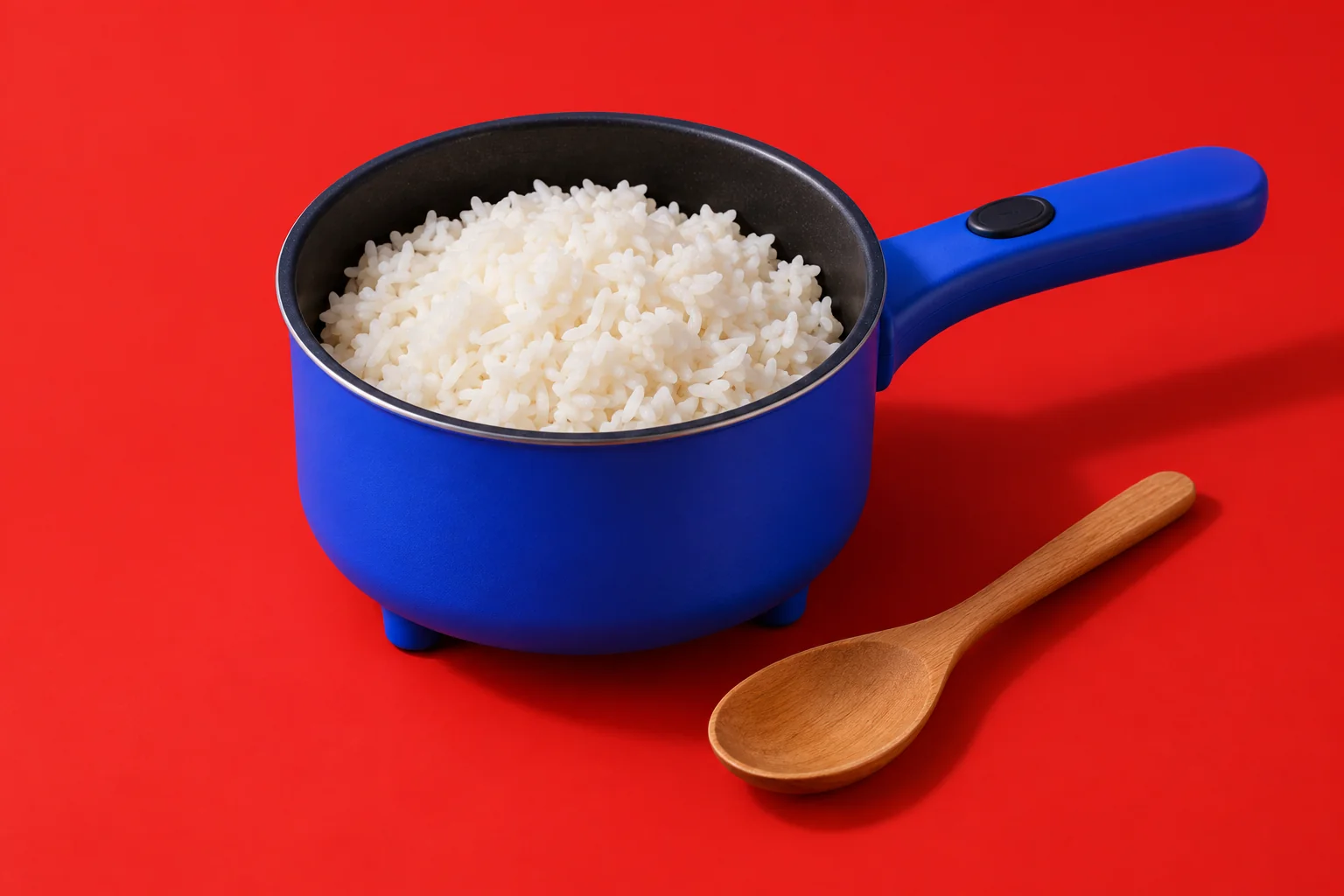
The Woks of Life rinses uncooked white rice, soaks it for thirty minutes, drains it, and freezes it for at least eight hours. The frozen grains then go directly into the cooking liquid without thawing. Their method uses eight to nine cups of liquid per cup of dry rice, with the amount determining thickness. This is preparation of uncooked rice for a specific fast-congee method, so follow that complete recipe’s cooking sequence rather than applying its short timing to ordinary dry rice.
For about five servings, cook 500 grams of spaghetti in salted water until one minute short of its package time. Gently cook six sliced garlic cloves in half a cup of olive oil until pale gold; add optional chili flakes briefly. Toss the drained pasta with that oil and half a cup of reserved pasta water over heat until glossy and coated. Add parsley and adjust salt, then serve immediately. Keep the garlic light rather than brown, since burnt garlic flavors the whole sauce.
Crumble a fourteen-ounce block of extra-firm tofu after patting it dry. Soften half a cup of diced onion in a tablespoon of olive oil, then warm the tofu through for three to five minutes. Separately mix a third cup of unsweetened almond milk, two tablespoons nutritional yeast, two minced garlic cloves, half a teaspoon each of Dijon and salt, and a quarter teaspoon each of turmeric and cumin. Lower the heat, stir in that mixture, and cook about three more minutes. The liquid seasoning keeps the crumbles soft.
For Emeril’s brown gumbo, cook the roux to a chocolate-brown color before adding the chopped onion, celery, and bell pepper. His method combines equal volumes of vegetable oil and flour in a heavy Dutch oven over medium heat, stirring continuously for approximately twenty to twenty-five minutes. Keep the mixture moving across the bottom while its color develops. Then follow the gumbo recipe’s remaining stages; stopping at a pale flour-and-fat mixture gives a different flavor from this deliberately browned base.
Check a grain: it should be almost cooked but retain a slight bite, rather than being completely soft. In Dassana’s method, soaked basmati boils uncovered in ample water and is drained immediately at that stage. The rice finishes cooking after layering with the other components. Follow your specific biryani recipe’s required doneness; recipes with different amounts of gravy may call for rice cooked further or less far. Three-quarters cooked describes the grain’s texture, not three-quarters of an arbitrary package cooking time.
Use bucatini, or choose short tubes such as penne or ziti if that is what you can find. Traditional pastitsio pasta is a thick, hollow, long noodle, so bucatini keeps a similar layered appearance. Cook the pasta only to the recipe’s al dente stage before assembling the casserole. When using long tubes, arrange most in the same direction for a neater cross-section after slicing. Short tubes still make a workable pasta layer, although the finished pattern will look different.
No. The Mediterranean Dish prepares the eggplant under the broiler instead. Cut quarter-inch slabs, salt them for thirty minutes, then pat dry and remove excess salt. Brush both sides with olive oil and arrange in one layer on an oiled, broiler-safe sheet pan. Broil about six inches from the element, turning until both sides soften and brown. Watch continuously enough to prevent burning. These precooked slices can then form the vegetable layers in the full moussaka recipe.
No. Idli rava is made from rice, so choose a package specifically labeled for idli rather than ordinary wheat semolina. In Swasthi’s method, soaked idli rava replaces the separately ground rice portion of the batter; it is drained and squeezed before mixing with the fluffy ground urad dal. Excess soaking water would thin the mixture. Follow the recipe’s rava quantities, since the rice and rava versions are not simply identical measuring-cup substitutions.
Stir it gently only once or twice. Vigorous mixing can remove the air that makes the steamed cakes light. Lightly grease the molds, fill them, and place the stand into a steamer with water already boiling, following your recipe’s steaming time. Swasthi’s method also allows a brief rest after cooking and a few minutes of cooling before lifting the idlis out with a spoon. Immediately scraping very hot cakes from the molds can make removal harder.
Yes. Gather the dough edges around the filling, pinch them firmly together, and put the bun seam-side down on its individual parchment square. The Woks of Life offers this simple closure as an alternative to pleating. Use a modest amount of filling until you can close the dough reliably, and keep the wrapper’s center thicker than its edges. Cover the shaped buns and give them the recipe’s final proof before steaming.
Opening the steamer immediately can contribute to collapse. In The Woks of Life’s baozi method, the heat is switched off after steaming and the buns remain covered for five minutes before the lid is lifted. Preserve that resting step instead of rushing to inspect every bun. Also follow the dough’s proofing and steaming directions; a lid rest cannot correct every dough problem. Lift the hot lid carefully away from you when the rest is complete.
Stand them on their folded bottoms with the open ends upward, leaving room for expansion. Avoid tight ties or a tightly compressed bundle. Rick Bayless uses loosely crumpled foil to support tamales when the steamer is not full, keeping them upright without crowding. Line the rack with spare husks but leave small drainage gaps. Keep the tamales above the water and maintain steady steam, replenishing the pot as needed so it does not boil dry.
Carefully remove a test tamal and check whether its corn husk separates readily from the masa. Sticky dough that clings to the wrapper needs more steaming. Once the batch passes that check, leave it off the heat for a few minutes so the masa firms before serving. Timing depends on the recipe and batch, so use the wrapper-release check alongside the directions instead of assuming every tamal finishes at exactly the same minute.
Use the rice type and liquid quantity specified in your recipe, and avoid frequent stirring once the rice is cooking. RecipeTin Eats uses long-grain white rice and finishes its covered pot in the oven to reduce stirring and uneven heating. Medium- or short-grain rice produces a stickier result in that recipe; brown and wild rice need different timing and liquid. Aim for tender grains that retain their shape, rather than continuing to cook until they disintegrate.
A smoky Polish sausage is a practical replacement in RecipeTin Eats’ jambalaya. The important contribution is the sausage’s smoky flavor, though its seasoning will differ from andouille. The recipe also offers kransky or chorizo paired with smoked bacon and smoked paprika to restore that smoky character. Follow the chosen sausage’s cooking directions and the full dish’s method. The substitution changes the flavor slightly, but you can still make a useful version without the exact Louisiana sausage.
Yes. Rick Bayless spreads dry vermicelli on a baking sheet, coats it evenly with oil, and bakes at 375°F for approximately eight to ten minutes, until golden. The toasted noodles then cook in the prepared tomato sauce and broth. For coiled noodles, let the nests soften in the sauce before separating them. Toasting is a preliminary flavor-building step; the pasta still needs its subsequent moist cooking to become tender.
It should resemble a lightly sauced pasta dish rather than a bowl of broth. The word seco distinguishes it from the soup version, but it does not mean the noodles should be dry or hard. In Rick Bayless’ preparation, toasted vermicelli simmers in tomato sauce and broth until it absorbs much of the liquid while remaining tender with some firmness. Use a fideo seco recipe’s proportions rather than a soup’s liquid quantity.
Briefly blanch it in boiling water until the strands separate, then drain before adding it to the stir-fry. Just One Cookbook uses roughly thirty to forty seconds for frozen, already-cooked udon in its yaki udon recipe. Check your package because dried noodles and frozen uncooked homemade noodles need different treatment. Do not force a solid block apart with a spatula in the frying pan; loosening it first lets you combine the strands with the vegetables more easily.
The pan may be too hot or the batter too thick. Lower the heat and let the pan cool slightly before trying again. If spreading is still difficult, loosen the batter with a little water until it spreads readily without becoming watery. Swasthi also warns that excess oil on the empty pan prevents smooth spreading. Use only a thin film, then spread promptly outward from the center with the base of a ladle.
Start with a recipe that explains its texture options. The Woks of Life uses water or stock without baking powder for a dense, chewy result; seltzer in place of that liquid gives a lighter exterior, while the recipe’s measured baking-powder options make them lighter still. Cooking time also affects tenderness. Use those changes within the complete formula instead of adding an arbitrary amount of leavener to any mix, and cook the centers through.
Prepare the broth and toppings first, then cook the noodles last in a separate pot of boiling water. Stop just short of fully done according to the noodle package, because they continue cooking in the hot broth. Drain thoroughly so excess water does not dilute the soup, divide among bowls, add hot broth and toppings, and serve immediately. Leaving cooked noodles sitting in the broth while you finish the rest of dinner makes the texture harder to control.
Soften the outer leaves in boiling water before peeling them away. The Mediterranean Dish places the cabbage head in a pot and uses tongs to remove each outer layer as it becomes tender, repeating for the leaves beneath. Let the separated leaves cool enough to handle, then remove thick veins that interfere with folding. Pulling firmly at cold, tightly packed leaves is more likely to tear them than easing away softened layers.
Source checks for these answers: September 23, 2026. Product instructions and local requirements can vary.